What is water damage restoration?
Water damage restoration is the work of removing water from a building, drying the structure and returning it to its pre-loss condition. It covers three stages: mitigation (stopping the damage from spreading), drying, and repair. Our technicians follow the ANSI/IICRC S500 Standard for Professional Water Damage Restoration, the reference most insurance adjusters use to judge a drying job.
Speed decides how much of your home can be saved. The EPA advises drying wet materials within 24 to 48 hours, because mold usually can't establish itself inside that window.
Water damage services we offer
Each service below has its own page with the steps, timing and common questions.
- Emergency water removal Standing water pumped and extracted from floors, carpet and walls.
- Wet carpet extraction Water pulled from carpet and pad, with an honest call on what can be saved.
- Structural drying Dehumidifiers and air movers dry walls, floors and cabinets to a documented dry standard.
- Burst pipe water damage Cleanup and drying after a split supply line, fitting or fixture.
- Slab leak water damage Drying floors and walls soaked by a leak under the concrete slab.
- Ceiling and AC leak damage Wet ceilings from AC condensate overflows, roof leaks and upstairs bathrooms.
- Roof leak water damage Wet attic insulation, ceilings and walls dried and repaired after a roof leak.
- Water heater leak cleanup Garage, closet and hallway cleanup after a tank or line fails.
- Appliance leak cleanup Washer, dishwasher, refrigerator and ice maker leaks dried out under floors and cabinets.
- Storm and monsoon flood damage Water removal and drying after monsoon rain gets inside.
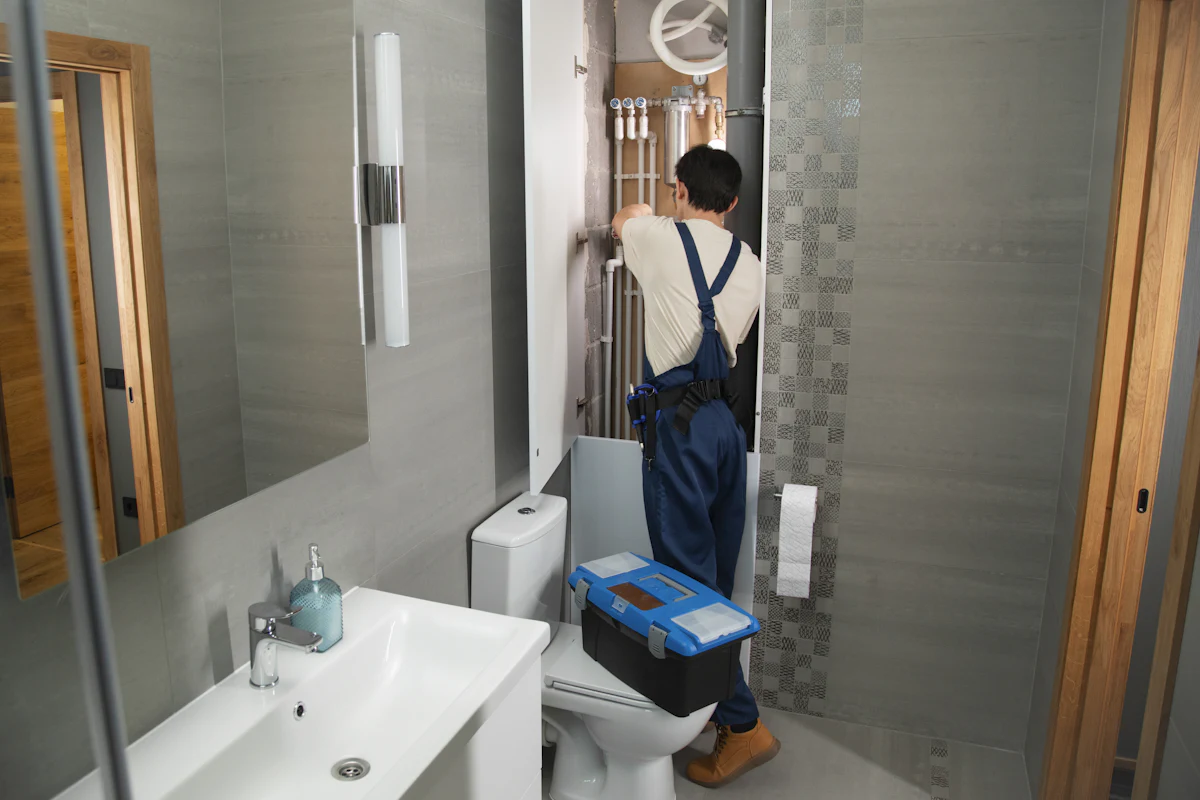
- Toilet and bathroom leaks Toilet overflows, shower pan and wax ring leaks dried out of floors, walls and ceilings below.
- Sewage backup cleanup Safe removal and sanitizing after toilet, drain or sewer line backups.
- Water damage repair Drywall, baseboards, flooring and paint put back after drying.
- Commercial water damage Drying and documentation for offices, retail and rental properties, planned around operations.
How we restore a water-damaged home
Every job follows the same order, and each step is photographed and logged.
- Stop the source. We confirm the water is shut off and make the area electrically safe.
- Inspect and map the moisture. Moisture meters and thermal cameras show how far water traveled behind baseboards, under flooring and up the walls.
- Extract standing water. Removing liquid water is far faster than evaporating it, so extraction comes first.
- Remove what can't be saved. Wet carpet pad, swollen particleboard and contaminated materials come out.
- Dry and monitor. Dehumidifiers and air movers run until every material reaches its dry goal, checked daily.
- Repair. Drywall, baseboards, paint and flooring go back once the structure is dry.
Our restoration process page explains what you'll see and hear at each stage.
Water categories and drying classes
Restorers rate every water loss by how dirty the water is (its category) and how much material got wet (its class). The category decides what must be thrown away. The class decides how much drying equipment the job needs.
| Rating | What it means | Typical sources |
|---|---|---|
| Category 1 | Clean water from a sanitary source | Supply line, water heater, rain through a window |
| Category 2 | Water with significant contamination | Washer or dishwasher discharge, toilet overflow with urine |
| Category 3 | Grossly contaminated water | Sewage, outside floodwater |
| Class 1 to 3 | Wet porous surfaces from under 5% up to over 40% of the room | Small leak up to whole-room soaking |
| Class 4 | Water bound deep in dense materials | Hardwood, concrete, plaster |
Clean water doesn't stay clean. As it sits and picks up dirt from carpet and building materials, it can degrade to Category 2. Our guide to water damage categories and classes covers each rating in detail.
How long does water damage restoration take?
Most homes dry in three to five days once equipment is set. A small Category 1 leak caught early can dry faster. Slab leaks, hardwood floors and water trapped under cabinets take longer because the water sits in dense materials. Repairs follow drying and depend on materials and scheduling.
How much does water damage restoration cost?
It depends on the water category, the size of the wet area and how many days of drying the job needs. National figures from Angi put the average around $3,800, with most jobs between about $1,360 and $6,280. The water damage restoration cost guide breaks down what drives the price in East Valley homes.
Will insurance pay for it?
Homeowners insurance usually pays when the water came from a sudden, accidental event such as a burst pipe or failed water heater. It usually doesn't pay for slow leaks, wear and tear or outside flooding. We document the loss for your claim either way. See how we help with insurance claims.
When water damage turns into mold
Water left in walls and under floors for more than a couple of days often turns into a mold problem. If you smell mustiness or see spotting after a leak, our mold remediation team handles containment and removal. See mold remediation after water damage for how we handle both at once.