
What is roof leak water damage restoration?
Roof leak water damage restoration is the work of drying and repairing everything inside the house that a roof leak soaked: roof decking and framing, attic insulation, ceiling drywall, walls and sometimes flooring. It starts after the leak is stopped, or alongside a temporary fix, and it is separate from the roof repair itself. We don't repair roofs. We find out how far the water traveled indoors, remove what can't be saved, dry the rest and rebuild the ceiling and walls.
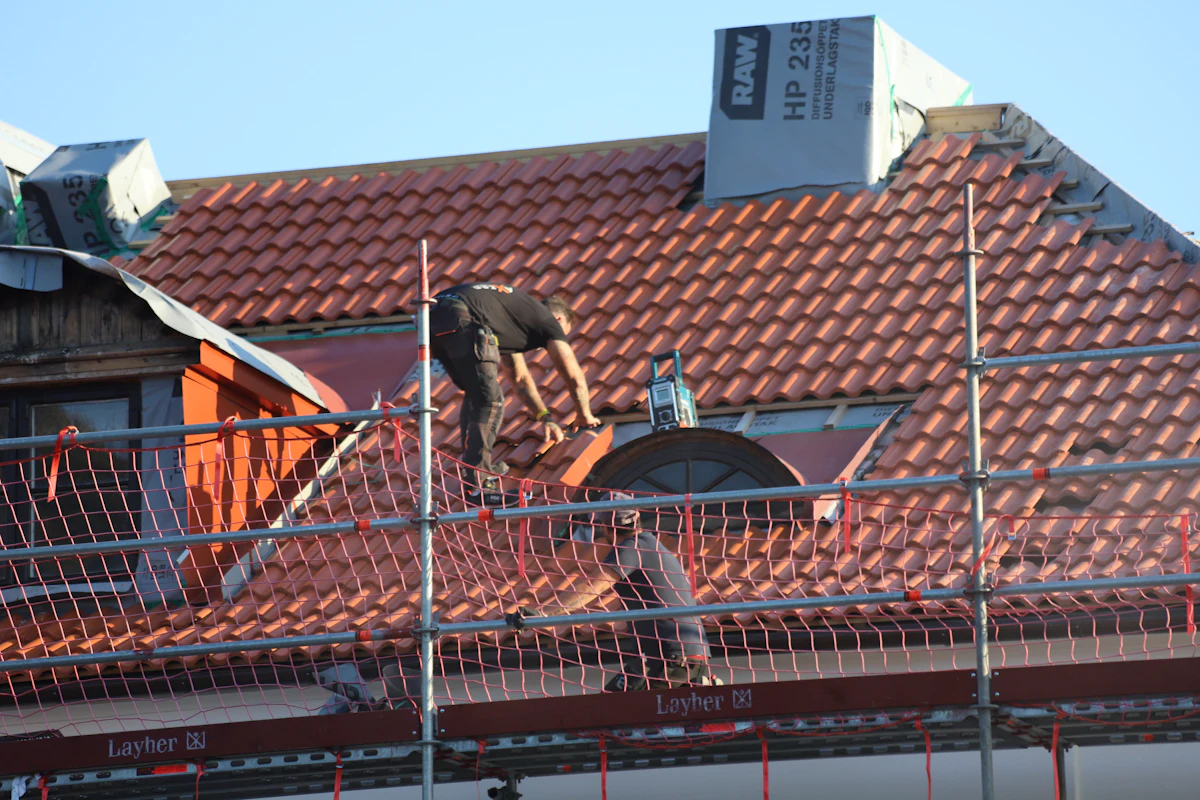
How roof leaks reach your living space
Water from a roof leak rarely drips straight down where it entered. It runs along the underlayment, rafters and trusses, soaks into insulation, and spreads across the top of the ceiling drywall before a stain appears below. That is why the stain can show up several feet from the actual leak, and days after a storm.
In East Valley homes, roof leaks usually start at:
- Tile roofs with worn underlayment. The tiles shed most water, but the layer underneath does the waterproofing, and it wears out with age and heat.
- Flashing around vents, chimneys, skylights and walls
- Rooftop AC units and evaporative coolers, where the equipment curb or duct penetration lets water in
- Flat and low-slope roofs, where seams and drains can fail and water sits after heavy rain
Monsoon storms between June and September bring the most roof leak calls, because wind lifts tiles and drives rain sideways. Our storm and monsoon damage page covers rain that gets in through doors, windows and low spots as well.
Signs a roof leak has caused hidden damage
- Brown or yellow rings on the ceiling, especially after rain
- Bubbling paint or texture, or a soft or sagging spot in the drywall
- Water dripping from a light fixture, fan or vent
- A musty smell in a top-floor room or near the attic hatch
- Damp, matted or discolored insulation when you look into the attic
- Stains running down a wall from the ceiling line
What to do right away
- Keep people out from under a sagging ceiling. A ceiling holding water can come down without warning.
- Turn off power to any light or fan with water in it at the breaker panel, if you can reach it safely.
- Catch the water. A bucket under the drip protects the floor. If a bulge is forming, don't puncture it yourself unless you can do it safely from a stable position.
- Call a roofer to stop the leak or put on a temporary cover.
- Photograph the ceiling, the attic and the roof damage before anything is moved or cleaned up. Your insurer will want to see it.
How we restore roof leak damage
- Check safety. We look for sagging drywall and water near wiring, and shut off affected circuits if needed.
- Map the moisture. Moisture meters and thermal imaging show how far the water spread across the ceiling, into the walls and down to the floor.
- Inspect the attic. We check the decking, framing and insulation above the wet area.
- Remove what can't be dried. Soaked insulation and ceiling drywall that sags or crumbles are removed and bagged.
- Dry the structure. Dehumidifiers and air movers dry the framing, decking and remaining drywall, with readings logged each day. See structural drying for how we decide when it's dry.
- Rebuild. New insulation, drywall, texture and paint go in once the structure is dry. Our water damage repair page covers that stage.
Roof leaks vs AC leaks: how to tell
Both show up as ceiling stains, and in East Valley homes both are common. A stain that appears or grows after rain points to the roof. A stain that grows on hot, dry days while the air conditioner runs points to the AC condensate line. A stain near the air handler or AC closet is more often the AC. If you can't tell, we confirm the source during the inspection. For air conditioner overflows, see ceiling and AC leak damage.
Why attic drying matters for mold
Attics trap heat, and wet insulation pressed against drywall stays damp. That combination is a common starting point for mold after a roof leak. The EPA advises drying water-damaged materials within 24 to 48 hours to help prevent mold growth, so the sooner the attic is opened and dried, the better. If growth has already started, our mold after water damage service handles drying and mold removal together.
Roof leak damage across the East Valley
We see roof leak damage most in older neighborhoods, where tile underlayment and flashing have reached the end of their life. Homes in Ahwatukee, Scottsdale and Tempe are frequent examples, but a monsoon storm can damage a newer roof anywhere in the Valley.
Documentation for your insurance claim
We photograph the ceiling, attic and any removed materials, and log moisture readings from the first visit until the structure is dry. That record helps your adjuster see what the leak affected inside the home. Whether a roof leak is covered depends on the cause and your policy. Our guide to whether insurance covers water damage explains the usual dividing lines.