
What is black mold?
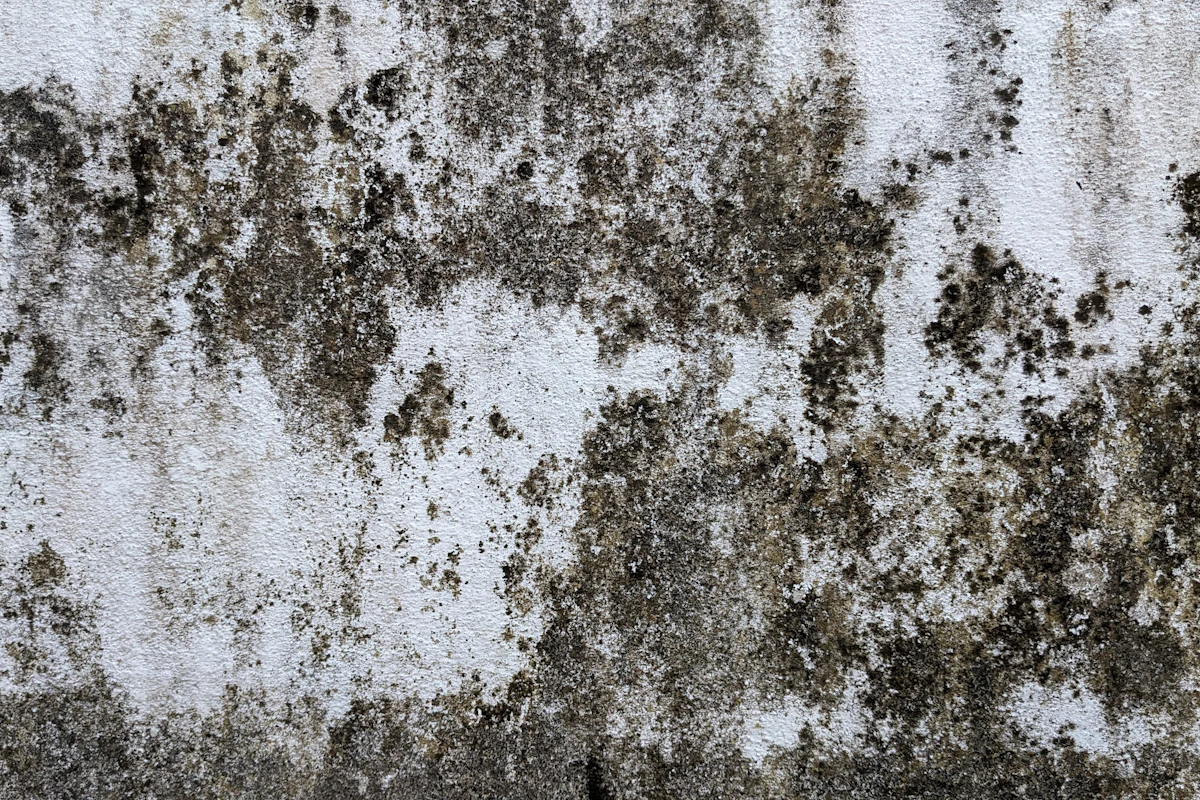
"Black mold" is a common name for dark-colored mold, most often meaning Stachybotrys chartarum, a slow-growing mold that needs materials to stay wet for a long time. It grows on drywall paper, wood and cardboard after leaks that went unnoticed. Many other molds are dark too, so color alone doesn't identify the species.
Is black mold dangerous?
The CDC states that the color of mold doesn't determine how hazardous it is, and that all indoor mold growth should be removed. Mold exposure can cause stuffy nose, wheezing, and itchy eyes or skin, and people with asthma, allergies or weakened immune systems are more sensitive. We don't make medical claims. If you have health concerns, talk to your doctor.
Where we find black mold in East Valley homes
- Behind and under kitchen and bathroom sinks
- Around toilets with slow leaks at the wax ring or supply line
- Inside walls after a pipe leak that ran for weeks
- Along baseboards above a slab leak
- Under carpet pad and laminate after water damage
- In AC closets around a leaking drain pan
How we remove black mold
- Inspect and find the moisture source. Mold can't be fixed without stopping its water. See mold inspection and testing.
- Set up containment. Plastic sheeting and a zipper door seal the area, and a HEPA air scrubber keeps it under negative pressure.
- Wear protection. Technicians wear respirators, gloves and suits so spores don't travel on clothing.
- Remove moldy materials. Drywall and insulation with growth are cut out at least a short distance beyond the visible mold, bagged and sealed inside containment.
- Clean the framing. Wood studs and subfloor are HEPA-vacuumed, scrubbed or sanded, then cleaned.
- Dry everything to normal moisture levels.
- Inspect before containment comes down, then rebuild.
Why we don't just spray it
Spraying a chemical on mold may change its color, but it leaves dead mold in place, and dead mold fragments can still cause allergic reactions. Industry standards, including IICRC S520, call for physically removing mold growth rather than covering or killing it in place. Painting over mold with a sealer isn't remediation.
Small vs large black mold problems
The EPA says a homeowner can usually clean mold covering less than about 10 square feet, roughly a 3-by-3-foot patch, with gloves, goggles and an N-95 respirator. For larger areas, mold inside walls, or mold that came back after cleaning, professional containment is the safer choice. Our mold remediation cost guide explains what size does to price.