
What happens when a pipe bursts?
A burst pipe releases pressurized water into walls, ceilings or floors until someone shuts off the supply. A half-inch supply line can put out several gallons a minute, so a burst that runs for an hour can soak multiple rooms. Water travels along framing and under flooring, so the damage is usually wider than the wet spot you see.
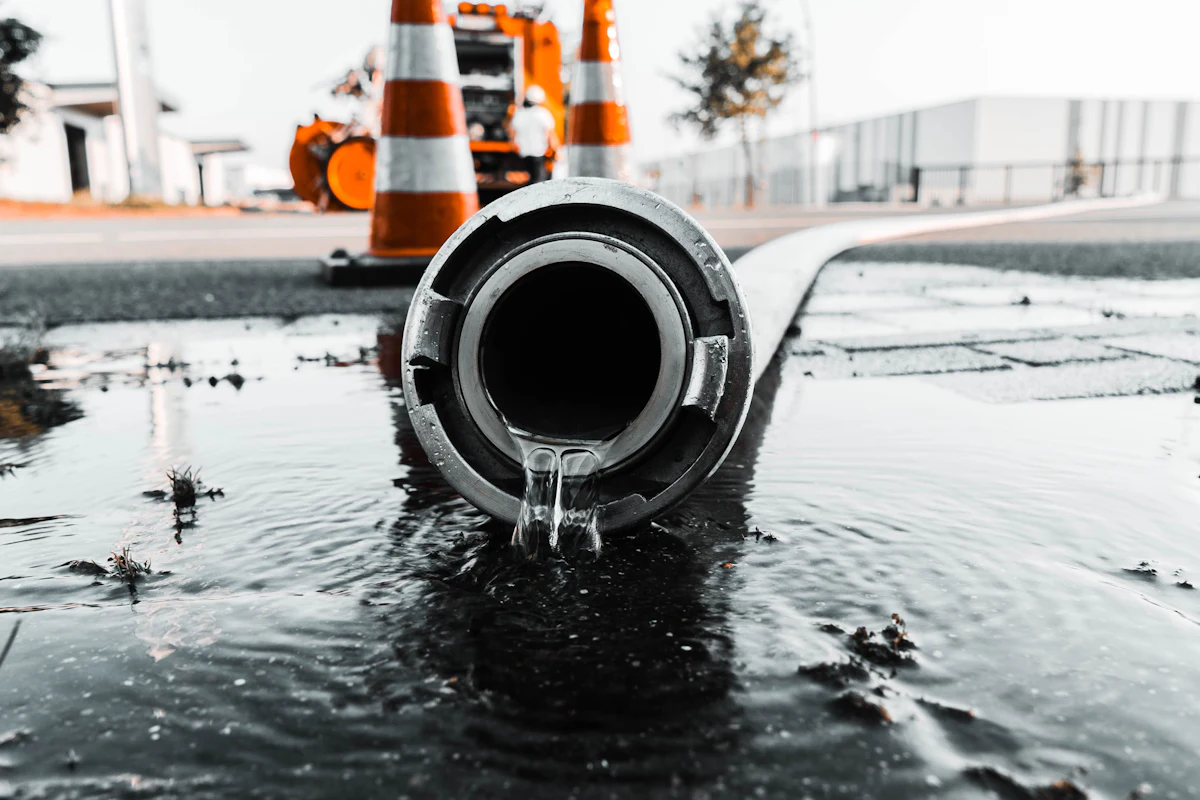
First steps for a burst pipe
- Shut off the main water valve. Every person in the house should know where it is.
- Turn off the water heater if the main is off for a long time, following its manual.
- Turn off power to rooms where water is near outlets or fixtures, if you can do it safely.
- Open faucets at the lowest point in the house to drain pressure from the lines.
- Photograph everything before cleanup starts.
- Call a plumber for the repair and call us for the water.
Why pipes fail in East Valley homes
Freezing isn't the usual cause here. Pipes in this area fail for other reasons:
- Hard water corrosion. East Valley water is hard, and minerals plus water chemistry slowly thin copper pipe walls until pinholes form.
- Supply line failure. Braided hoses under sinks and toilets, and washer hoses, age and burst.
- High water pressure. A failed pressure-reducing valve strains fittings throughout the house.
- Heat in attics. Some homes run lines through attics that can top 140°F in summer, which ages PEX and fittings faster.
- Construction damage. A nail or screw driven through a pipe can leak slowly for months.
Pipes under the concrete slab cause a different kind of damage. See slab leak water damage.
How we clean up after a burst pipe
- Extract water from floors, carpet and pad with emergency water removal equipment.
- Trace the spread. Thermal imaging and moisture meters follow the water into walls, ceilings and adjacent rooms.
- Open what's needed. Wet ceiling drywall that sags is removed for safety. Small access holes or flood cuts let air into wall cavities.
- Dry the structure with dehumidifiers and air movers, logged daily. Our structural drying page covers how.
- Repair drywall, insulation, texture, paint and flooring once dry.
Ceiling leaks from upstairs pipes
When a pipe bursts on a second floor, water collects on the ceiling drywall below. A bulging or sagging ceiling can fall without warning. Keep people out of the room, and if it's safe, place a bucket under the lowest point and poke a small hole to drain it. Wet ceiling insulation usually has to come out because it stays wet and heavy.
Insurance and burst pipes
Sudden pipe failures are among the losses homeowners policies most often cover. Insurers look at whether the leak was sudden and whether you acted quickly to limit damage. We provide photos, moisture readings and a drying log for your adjuster. Read more in does homeowners insurance cover water damage.