What is water damage repair?
Water damage repair is the final stage of restoration: replacing the materials that were removed or damaged so the room looks and works the way it did before the loss. It starts only after drying is confirmed with moisture readings, so no moisture gets sealed inside the walls or floors.
What we repair
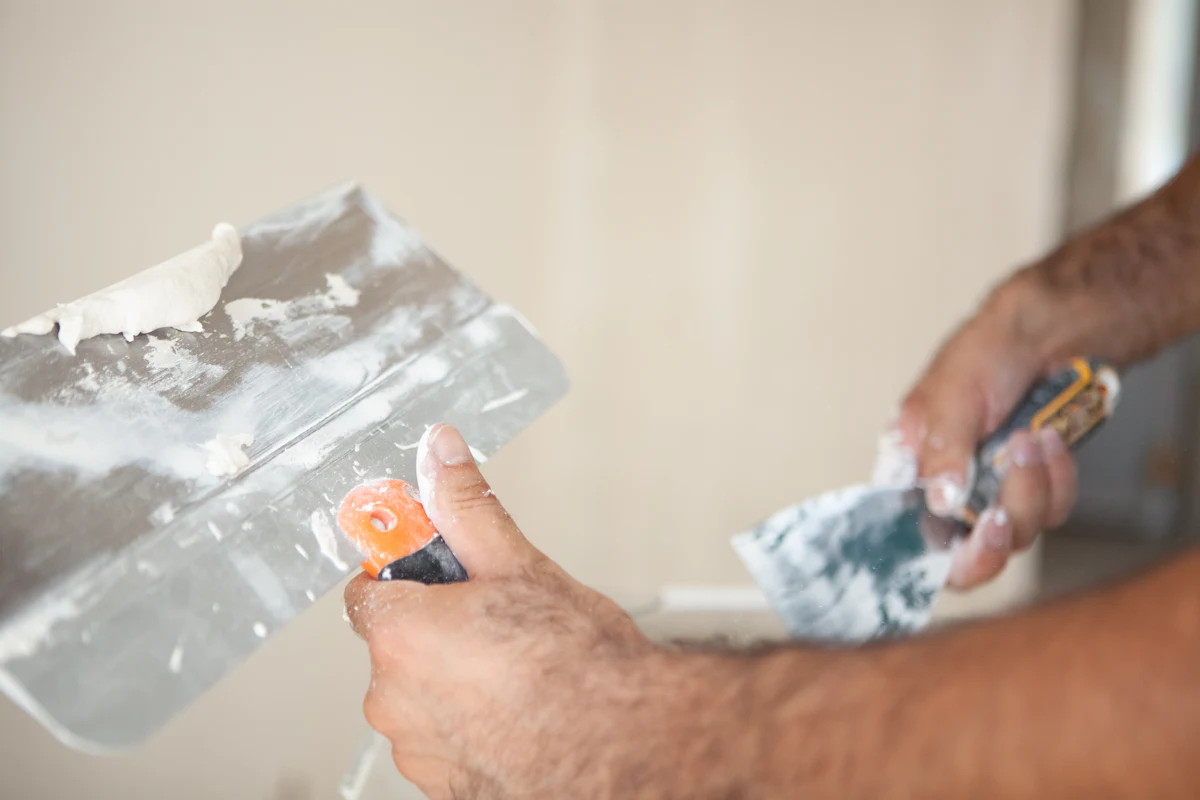
- Drywall: flood cuts, ceiling sections and patches, taped, mudded and sanded
- Texture and paint: matched to the surrounding wall or ceiling
- Baseboards and trim: replaced or reinstalled after drying
- Insulation: replaced in walls and attics where it was removed
- Flooring: carpet, pad, laminate and vinyl plank
- Cabinet toe-kicks and panels removed for drying
Why drying comes first
Repairing before the structure is dry is the most common way water damage turns into a mold problem. Fresh drywall and paint over damp framing trap moisture inside the wall. We confirm every material reaches its dry goal and share those readings with you before any repair work starts. Our structural drying page explains how dry is measured.
Our repair process
- Confirm dry with final moisture readings.
- Agree on the scope. We walk through what will be replaced and how finishes will be matched.
- Install and finish drywall, including tape, mud, texture and primer.
- Paint the repaired areas, or full walls when a patch won't blend.
- Install baseboards, trim and flooring.
- Final walkthrough with you to check every repaired area.
Repairs after contaminated water
After a sewage or floodwater loss, more material is removed, so repairs are larger. Walls are often cut higher, and insulation and flooring are replaced throughout the affected area. Rebuilding starts only after the area is cleaned, disinfected and dried. See sewage backup cleanup for the cleanup steps.
Working with your insurance company
Your adjuster approves the repair scope, usually based on our documentation and estimate. We photograph each stage and keep the repair scope tied to the damage we recorded during drying, which makes approvals smoother. Read about how we help with insurance claims.