
How long does it take for mold to grow?
Mold can begin growing on damp materials within 24 to 48 hours under the right conditions. That is why the EPA advises drying wet materials and items within 24 to 48 hours of a leak. Visible colonies usually take longer to appear, often several days to a couple of weeks, so a wall that looks fine on day two can still be growing mold inside.
What mold needs to grow
Mold spores are present in almost every indoor space. They grow when four conditions line up:
- Moisture, from a leak, flood, condensation or high humidity
- Food, meaning organic material such as drywall paper, wood, cardboard and dust
- Warmth, roughly the same temperatures people find comfortable
- Time, the longer materials stay wet the more growth occurs
Remove moisture and mold can't grow, which is why drying is the main way to prevent it.
The mold timeline after water damage
| Time since water | What's happening |
|---|---|
| 0 to 24 hours | Water spreads into carpet pad, drywall and framing. Drying now prevents most mold. |
| 24 to 48 hours | Mold can begin growing on damp materials. The EPA drying window closes. |
| 3 to 7 days | Musty odors often appear. Growth may become visible on drywall, baseboards and pad. |
| 1 to 3 weeks | Growth spreads across damp surfaces and inside wall cavities. |
The timeline varies with temperature, the material and how wet it is. Treat it as a warning, not a guarantee in either direction.
Does Arizona's dry climate slow mold growth?
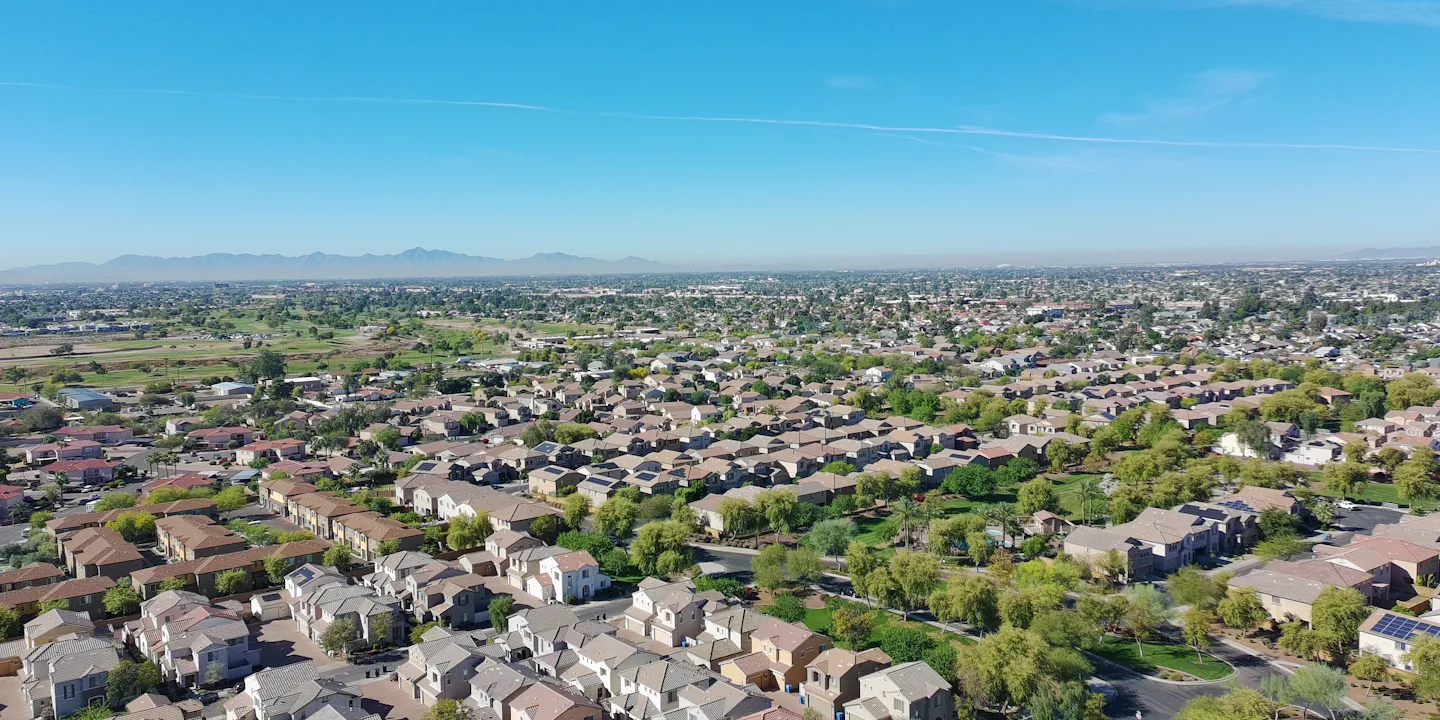
It slows mold outdoors and on surfaces that can dry in open air, but not inside walls, under floors or in attics. Water trapped in those spaces stays wet for days or weeks. East Valley homes add their own risk factors: warm attics, AC condensate that drips in closets, evaporative coolers that add humidity, and monsoon storms that raise indoor humidity in late summer.
Materials that grow mold fastest
- Drywall paper and the back of drywall
- Carpet pad and the backing of carpet
- Cardboard boxes and paper
- Ceiling tiles and insulation
- Unsealed wood and particleboard cabinets
Tile, metal, glass and sealed concrete don't feed mold themselves, though dust on their surface can.
How to prevent mold after a leak
- Stop the water.
- Remove standing water immediately.
- Get wet materials drying within 24 hours, with professional equipment if walls, carpet or ceilings are soaked.
- Remove wet carpet pad, cardboard and paper that can't be dried quickly.
- Keep your AC running to hold indoor humidity down.
- Watch for musty smells and staining in the following weeks.
If you smell mustiness without seeing mold, read our guide on signs of mold behind walls.
When to call a professional
If materials stayed wet for more than a couple of days, or you notice a musty smell or spotting, call for an inspection. We find the moisture, then contain and remove any growth.